---
title: FLD-103 Treatment for Basal Cell Carcinoma
description: Learn about FLD-103, Feldan’s investigational non-surgical treatment for basal cell carcinoma, designed to offer an alternative to surgery.
---
[](https://www.feldan.com/?hsLang=en)
[](https://www.feldan.com/?hsLang=en)
[](https://www.feldan.com/?hsLang=en)
- [About](https://www.feldan.com/about)
- [Therapeutic Focus](https://www.feldan.com/therapeutic-focus)
- [Technology](https://www.feldan.com/feldan-shuttle)
- [Patients](https://www.feldan.com/patients-families)
- [News](https://www.feldan.com/news)
- [Career](https://www.feldan.com/career)
[](https://cta-redirect.hubspot.com/cta/redirect/6481368/924eac0e-acba-440c-a45a-d385e46b357d)
- [English](https://www.feldan.com/fld-103-treatment-for-basal-cell-carcinoma)
- [Français](https://www.feldan.com/fr/fld-103-treatment-for-basal-cell-carcinoma)
English
**
This is a search field with an auto-suggest feature attached.
- There are no suggestions because the search field is empty.
[** ](https://www.linkedin.com/company/feldantherapeutics/) [** ](https://www.facebook.com/feldantherapeutics/)
**
**Menu** **
[](https://cta-redirect.hubspot.com/cta/redirect/6481368/924eac0e-acba-440c-a45a-d385e46b357d)
- [About](https://www.feldan.com/about)
- [Therapeutic Focus](https://www.feldan.com/therapeutic-focus)
- [Technology](https://www.feldan.com/feldan-shuttle)
- [Patients](https://www.feldan.com/patients-families)
- [News](https://www.feldan.com/news)
- [Career](https://www.feldan.com/career)
# FLD-103 Treatment for Basal Cell Carcinoma
**Basal Cell Carcinoma at a Glance
**
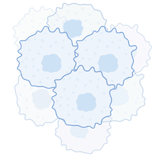
Basal cell carcinoma (BCC) is the most common form of skin cancer.

Affects ≈4.3 million people each
year in North America
Primarily caused by
cumulative sun exposure

Most commonly develops on
sun exposed areas such as the
face, neck, and scalp

Although surgery is standard of care,
there remains a need for treatments that preserve
skin, minimize discomfort, and allow patients
to return to their daily lives promptly
### ** BCC Subtypes and Treatments**
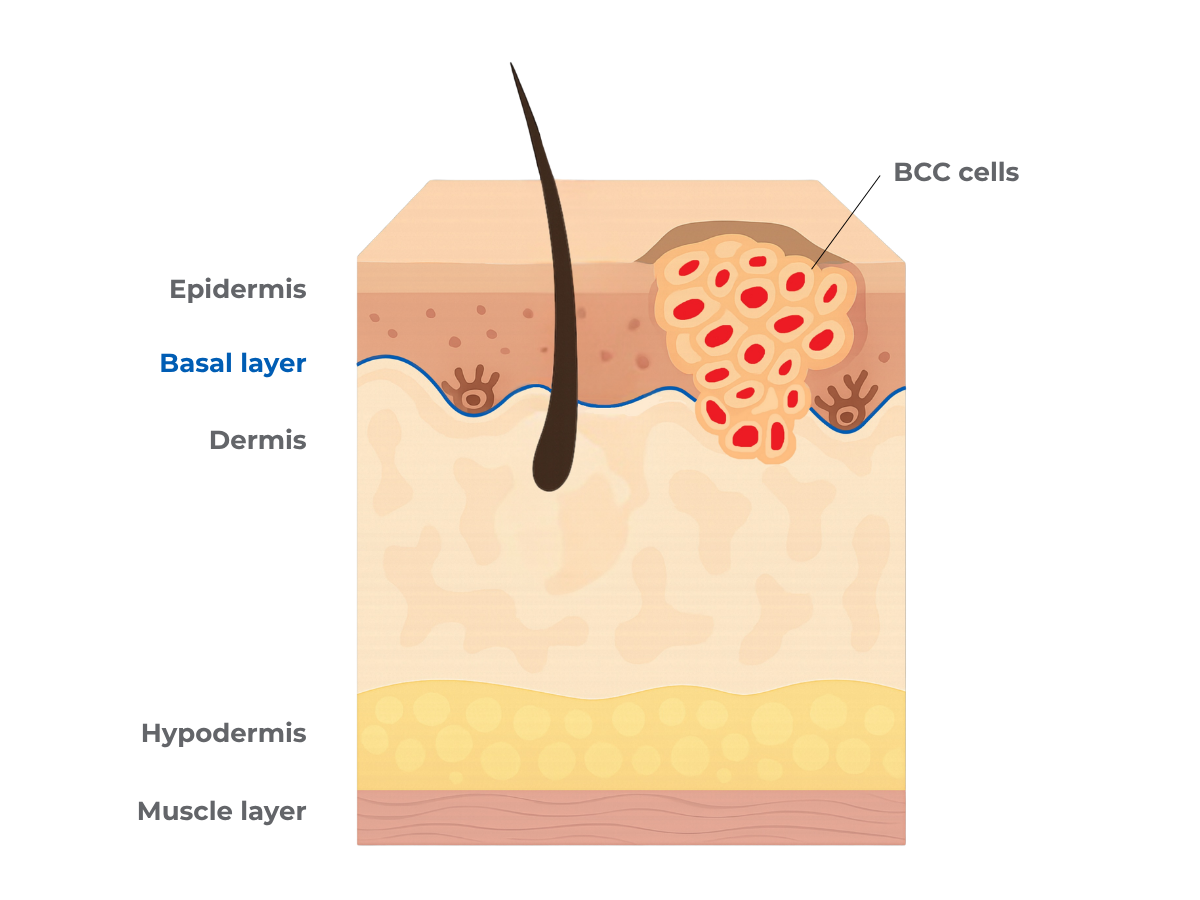
BCCs start in basal layer of the skin and can appear in different forms depending on how they grow within the skin layers.
**Superficial BCC (≈15% of cases)**
Usually treated with topical medications, such as creams, applied directly to the skin.
**Advanced or Metastatic BCC (≈1-10% of cases)**
Treated with systemic therapies such as Hedgehog pathway inhibitors, or surgery.
**Nodular BCC (≈60-80% of cases)**** **
It is slow-growing, non-aggressive, and rarely metastasizes. However, if neglected, it can cause local tissue and bone destruction. It is most commonly treated with surgical excision, including Mohs surgery, which is often referred to as the gold standard.
### ** Understanding Nodular BCC Care **
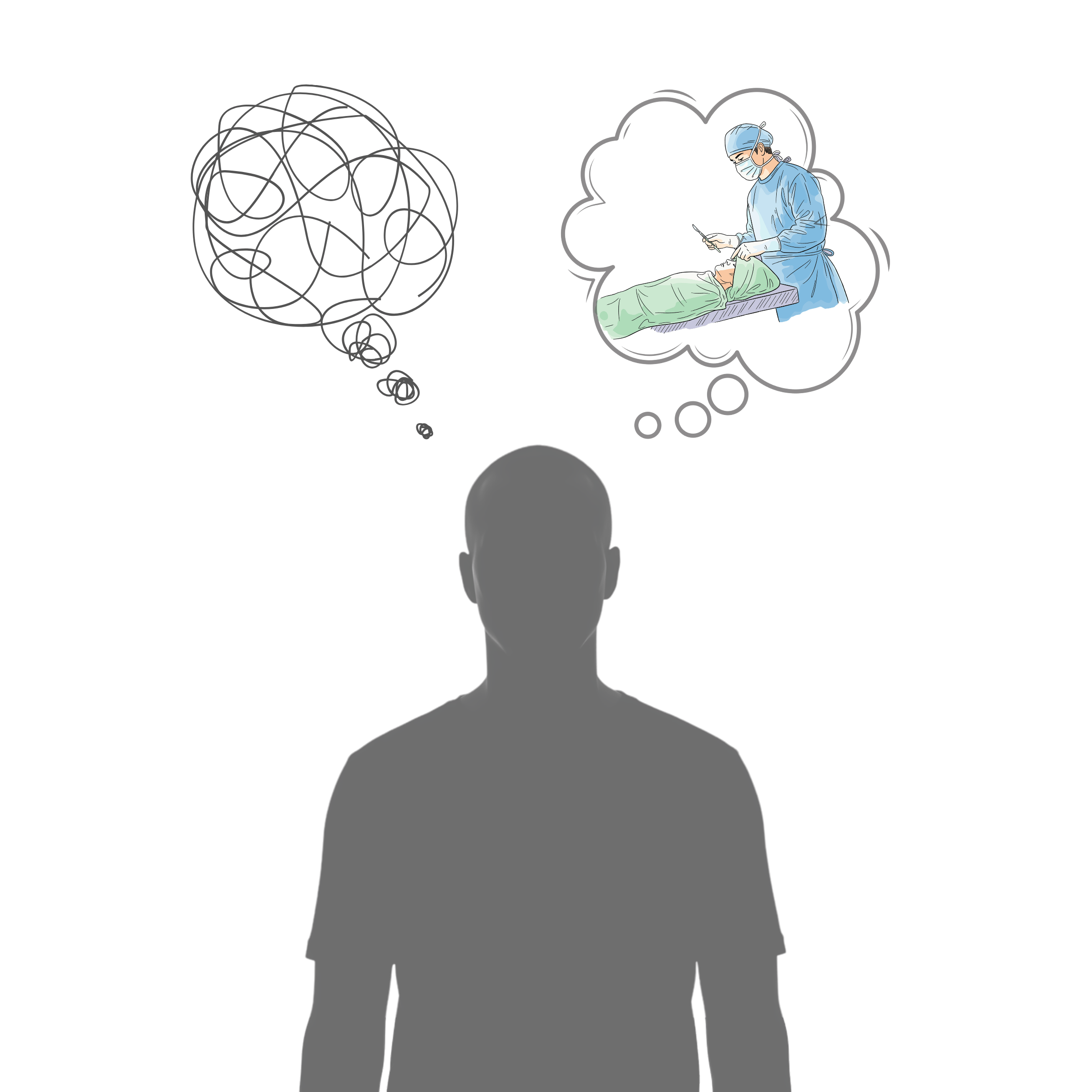
Mohs surgery is widely considered the gold-standard surgical technique for nodular basal cell carcinomas (nBCC), particularly when located in cosmetically sensitive or high-risk areas. The procedure involves removing thin layers of skin one at a time and examining each layer microscopically until no cancer cells remain.
While Mohs surgery is highly effective and remains a standard treatment approach, it is a surgical procedure that may require extended procedural time, local wound care, and a recovery period. Cosmetic changes to the treated skin, including scarring or discoloration, may occur. Some patients may require multiple procedures over time depending on disease recurrence or the number of lesions treated.
This underscores continued interest in evaluating additional treatment approaches for patients with nodular BCC.
## FLD-103: An Investigational Non-Surgical Treatment for nBCC by Feldan Therapeutics
*FLD-103 is an investigational therapy currently in Phase 1 clinical development for nodular basal cell carcinoma (nBCC). It is administered as an injection directly into the tumor. Studies are evaluating its safety, tolerability, and potential effects on tumor and surrounding tissue. *
## FLD-103: An Investigational Non-Surgical Treatment for nBCC by Feldan Therapeutics
*FLD-103 is an investigational therapy currently in Phase 1 clinical development for nodular basal cell carcinoma (nBCC). It is administered as an injection directly into the tumor. Studies are evaluating its safety, tolerability, and potential effects on tumor and surrounding tissue. *
Potential Benefits Being Evaluated in FLD-103 Clinical Trials
The primary objective of the ongoing Phase 1 study is to evaluate the safety and tolerability of FLD-103 in patients with nodular basal cell carcinoma (nBCC). Ongoing and future clinical studies may also evaluate additional treatment-related outcomes, including:
**
Non-Surgical Approach
**
*FLD-103 is being studied as a potential non-surgical treatment approach for nBCC*
**
Treatment Journey
**
*Clinical studies will assess aspects of the treatment experience and how FLD-103 may fit within the patient journey*
**
Cosmetic Considerations
**
*Clinical studies will evaluate local tissue effects and healing following treatment*
How Does FLD-103 May Work?
Our healthy cells use different signaling systems to guide how they grow and develop. In healthy adult skin, one of these systems—called the Hedgehog pathway (HHP)—is usually switched off. In basal cell carcinoma, this pathway is abnormally active, sending signals that drive cancer cell growth.
**FLD-103 has been designed to interfere with a component of the HHP, which is involved in basal cell carcinoma biology. **
-1.png?width=1500&height=720&name=FLD-103%20MoA%20Simplified%20(Patients)-1.png "FLD-103 MoA")
### FLD-103 Clinical Trial Status
FLD-103 is an investigational treatment currently being evaluated in a Phase 1 clinical trial and has not yet been approved for general use.
The Phase 1 clinical trial of FLD-103 is being conducted across multiple sites in the United States and Australia. In Australia, the trial is overseen by Feldan’s wholly owned subsidiary, [Feldan Australia Pty Ltd](https://www.feldan.com/feldan-australia?hsLang=en).
[ Australia ](https://www.anzctr.org.au/Trial/Registration/TrialReview.aspx?id=387751&isReview=true)
[ United States ](https://clinicaltrials.gov/study/NCT07670858?term=fld-103&viewType=Card&rank=1)
**This page provides patients and families with general information about the medical conditions for which we are advancing new therapeutics, the unmet needs they are intended to address and the science behind our approach. The content is intended to be informative and supportive and does not replace personalized medical advice. **Our therapies are investigational, which means they are still being studied and have not yet been approved by regulatory agencies such as the Food and Drug Administration (FDA) or Health Canada. Their safety and efficacy have not been established. Any data presented are preliminary and subject to change until study completion and regulatory review. *
[](https://www.feldan.com/fld-103-treatment-for-basal-cell-carcinoma#)
- [About us](https://www.feldan.com/about)
- [Technology](https://www.feldan.com/feldan-shuttle)
- [Therapeutic Focus](https://www.feldan.com/therapeutic-focus)
- [News](https://www.feldan.com/news)
- [Careers](https://www.feldan.com/career)
- [Contact Us](https://www.feldan.com/contact)
- [Feldan Australia](https://www.feldan.com/feldan-australia)
- [Privacy Policy](https://www.feldan.com/privacy/confidentialité)
### Address
2666, Boul. du Parc Technologique, Suite 290
Quebec, Qc, Canada,
G1P 4S6
Phone: [1-418-872-7277](tel:1-418-872-7277)
Email: [info@feldan.com](mailto:info@feldan.com)